Buying Children's Footwear
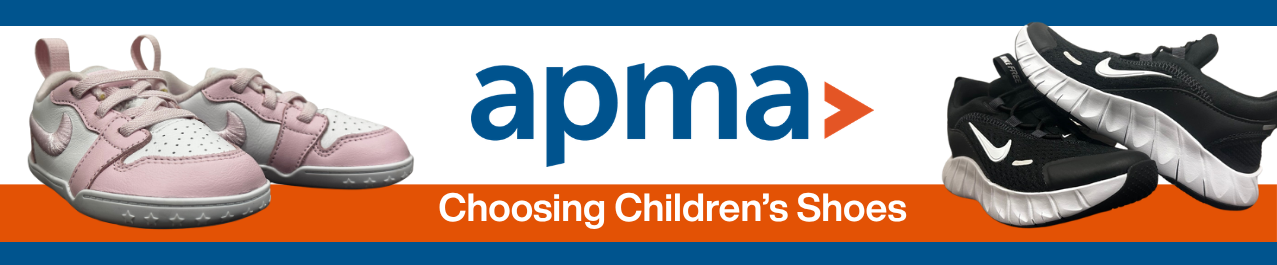
Children’s feet change with age. As with everything in child rearing, change is the only constant, so don’t rely on a single brand or type of shoe to address your child’s needs over time.
“Barefoot” is best. For younger children, going barefoot or wearing shoes that allow natural movement is preferred. Look for light shoes with flexible soles that bend easily while still offering protection. For school-aged children, light, flexible, flat-soled shoes are still recommended for everyday use, unless there is a specific pathology requiring modification.
Fit matters. The most important thing to consider when choosing children’s shoes is how they fit and accommodate future growth. In particular:
- Aim for ~10–15 mm “toe room” in front of the longest toe, and a toe box at least as wide as the widest part of the foot. (Narrow, tapered shoes are not recommended.)
- Check sizing every 4–6 months due to growth and brand variability.
- If feet differ in size, always buy with the larger foot in mind.
Consider the shoe materials. Breathable materials such as mesh and leather accommodate high sweat rates and reduce the likelihood of skin problems when compared to non-breathable synthetics. Secure closure (laces/Velcro) is recommended to prevent clawing, gripping, and instability.
Look for the APMA Seal. In a competitive commercial landscape with often confusing or conflicting recommendations, APMA member podiatrists have done research for you. Search our database of products recognized to promote foot health today!
When in doubt, talk to an expert. There is no “one-size-fits-all” approach to footwear or foot health, and if you notice any concerns about your child’s gait, wear patterns on shoes, or other potential health concerns, consult an APMA member podiatrist.